
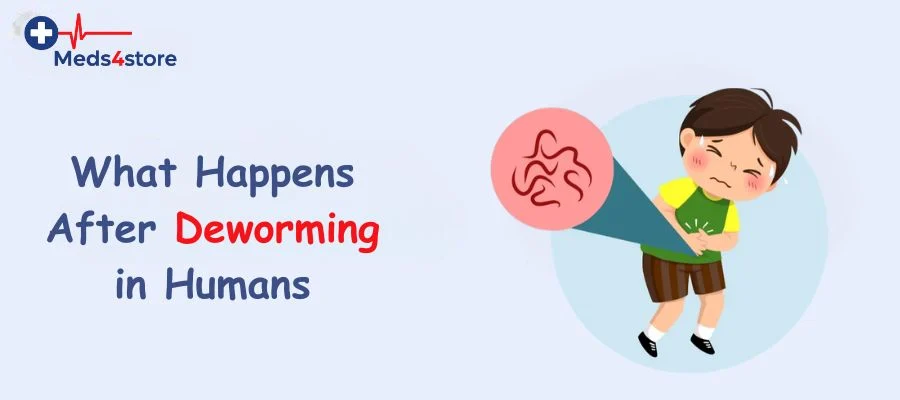
What Happens After Deworming in Humans

Introduction
Deworming is the medical process of removing parasitic worms from the host’s body. Some of these kinds of infections, caused by roundworms, hookworms, and whipworms, are more common than you may think. Intestinal worms are infections that the World Health Organization has identified as one of the most prevalent infections, especially in developing countries that lack sanitary conditions.
However, what is the process that occurs after one deworms? Some people expect to feel and experience the relief immediately, but there are biological and physiological processes happening in the body.
What happens immediately after deworming?
Deworming drugs are effective within hours of ingestion. Their role is to kill or immobilize worms harbored in the intestines.
- Once the parasitic worms are no longer active:
- Your body works to get rid of them using stool.
- This whole process may take one to three days to complete.
In some cases, worms can be excreted through stool, but most of the time, the worms are disintegrated and are not discernible.
This part of the process is completely normal and is actually the sign that the treatment has been successful.
Digestive changes you may notice
During the treatment process, you may experience some mild but annoying changes in the gut or digestive system. For example:
- Loose stoles or some mild variation of it.
- Mild inflammatory responses such as abdominal cramping can be present.
- There will be an increase in the rate of the bowel movement.
In your body, there will be some an increase in the rate of the bowel movements, an increase in the rate of the inflammatory responses and an increase in the rate of the dead parasites in order to adjust to the changes in the gut.
It is important to note that these symptoms will subside after a short period within the range of 24 to 72 hours.
Effects of the Deworming medications
In many instances, and extreme cases an individual experiences exceedingly amounts of ease and this is of the medications for the extreme presence of the parasite.
In most cases, the body is incapable of adjusting to the presence odor the medications to the extreme cases of infections.
Common side effects include:
- Headache
- Dizziness
- Fatigue
- Nausea
In rare instances your body may react to dead parasites causing a temporary immune response. This can create symptoms like:
- Low grade fever
- Inflammations
- Discomfort in the digestive region
This response is due to the body’s method of clearing the dead worms from the body.
What can you expect?
Once parasites have been cleared from your body, the healing process commences. Most people start to feel better a few days to a week after the parasites have been removed from the body.
These are the key improvements you can expect:
- Enhanced digestion
- Less abdominal discomfort
- Reduced bloating
- Increased appetite
Over a period of time or once the body adjusts to not having the parasites, the benefits can also include improved nutrient absorption.
Real data and statistics on deworming
Deworming is not only about relieving the symptoms, it has evidence and research that shows the actual health benefits.
- In developing countries it is believed that about 48% of the population is infected with at least 1 kind of intestinal worm.
- Almost 10% are infected with more than 1 type of worms at the same time.
- In 2019, over 613 million children were dewormed globally.
Studies that have been performed show the following health benefits:
- Improved absorption of nutrients, digestion
- Increased growth measurement, improved height and arm circumference
- Decreased chances of developing or acquiring anemia and intestinal inflammation
The statistics show the prevalence of worm infection and the significant impact of deworming.
How long does it take to feel normal again?
Most people begin to feel normal a few days after deworming. The extent of the infection determines how long full recovery will take.
- Mild infections: Improvement in a few days
- Moderate infections: 1–2 weeks
- Severe infections: May take longer, especially if nutrient deficiencies are present
Your body may need extra time to restore lost nutrients such as iron and vitamins, particularly if the worms were present for an extended period.
Do you need a second dose?
A second dose of deworming medication is recommended in some instances, especially for infections such as pinworms, as the first dose only eliminates adult worms. The second dose (which is typically given 2 weeks later) will eliminate any worms that have hatched in the interim.
In some instances, follow-up stool samples may be necessary to verify that the infection has completely resolved.
Risk of reinfection after deworming
A key point to understand is that deworming does not prevent subsequent infections.
Research has demonstrated that reinfection can happen in a matter of months in certain high-risk settings.
In high-risk settings, the following measures may be necessary to minimize the risk of reinfection: frequent hand washing, enhanced personal hygiene, regular cleaning of the living environment, and avoidance of food and water that may be contaminated.
When should you see a doctor?
Medical intervention may be necessary if you develop:
- Severe abdominal pain
- Persistent vomiting
- High fever
- Allergic reactions
Although these symptoms are rare, they should not go untreated.
Bottom line
Your body is undergoing a natural process of cleansing that will eliminate the worms. Mild side effects such as digestive discomfort and fatigue should only be expected and will go away in time.
Most people starting feeling the benefits within a week. Along with improvement in digestion and a boost in energy, the overall health benefits are numerous.
With a history of millions of people being treated each year in the world and the studies supporting this, deworming is still one of the best ways to reinstate gut health and improve overall wellbeing.