
Tretinoin Before And After

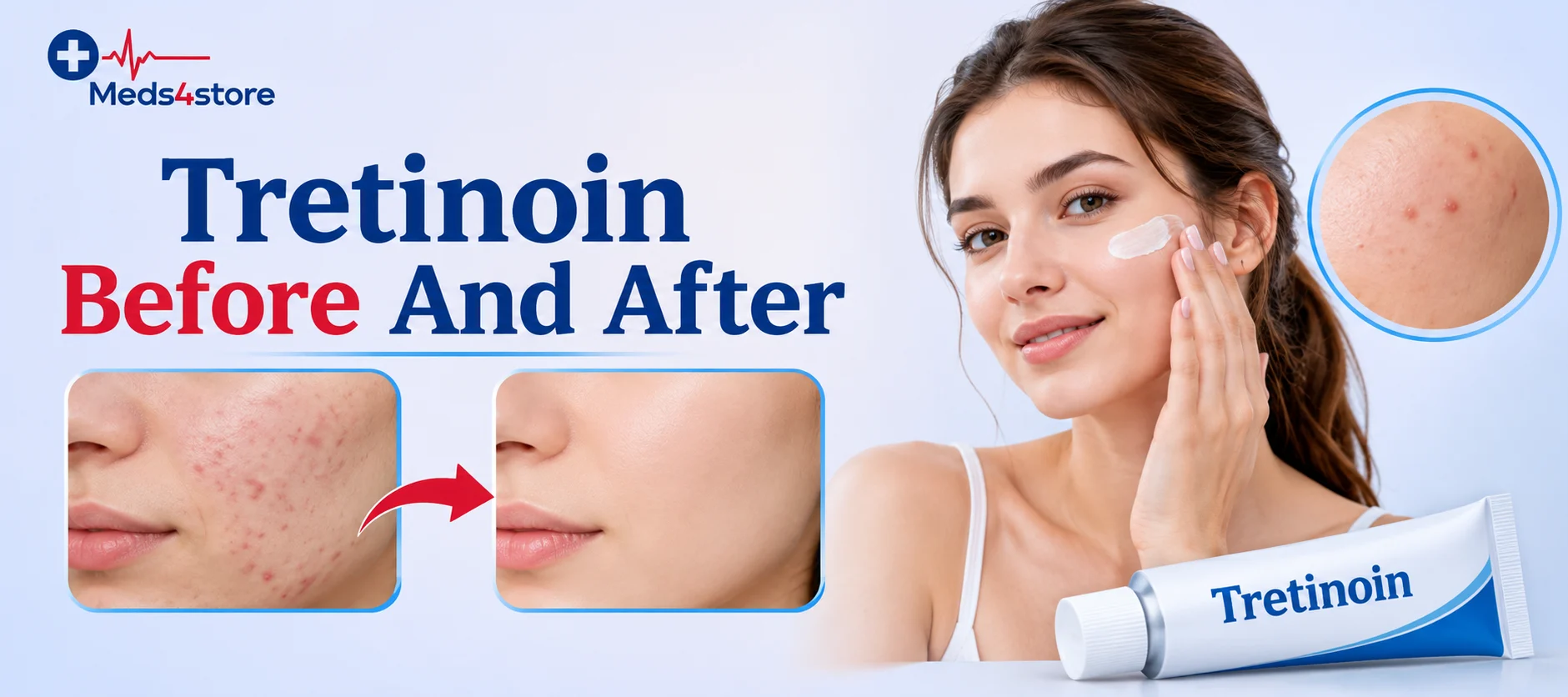
Tretinoin is a popular prescription skincare ingredient used to improve acne, uneven skin tone, fine lines, and signs of sun damage. Many people search for tretinoin before and after photos to understand how their skin might change after starting treatment. While some users notice smoother skin and fewer breakouts over time, results are gradual and depend on skin type, concentration, consistency, and the condition being treated.
Tretinoin is not an overnight solution. Understanding its timeline, benefits, and possible side effects can help you develop realistic expectations and use it safely.
What Is Tretinoin and How Does It Work?
Tretinoin is a topical retinoid derived from vitamin A. It works by influencing skin-cell growth and turnover, helping prevent dead skin cells from building up inside pores. This can reduce clogged pores and acne lesions.
It also supports changes in the skin associated with collagen production and pigmentation. These effects explain why dermatologists may prescribe tretinoin before and after for acne and, in selected cases, photoaging.
Tretinoin is available in different strengths and formulations. The appropriate option depends on the skin concern and a healthcare professional’s recommendation.
Tretinoin Before and After: What Changes Can You See?
The difference between tretinoin before and after treatment can include fewer acne breakouts, smoother texture, and gradual improvement in uneven pigmentation or fine wrinkles.
For acne-prone skin: tretinoin before and after helps unclog pores and reduce the formation of new comedones, including blackheads and whiteheads. With consistent use, inflammatory breakouts may also improve, although some people need additional acne treatments.
For dark spots and uneven skin tone: tretinoin before and after can help fade certain types of post-acne marks and pigmentation by encouraging skin-cell turnover. Improvement is gradual, and daily sun protection is important to prevent further darkening.
For fine lines and sun-damaged skin: Long-term use may improve the appearance of fine wrinkles, roughness, and mottled pigmentation caused by sun exposure. It does not remove every wrinkle or reverse all signs of aging.
Before-and-after photographs should be interpreted carefully. Lighting, camera angles, skincare routines, and treatment duration can make results look different.
Tretinoin Before and After: Results Timeline
It works gradually. The timeline varies, but many users follow a pattern like this:
- Weeks 1–2: Dryness, redness, peeling, or mild irritation may occur as the skin adjusts. Visible improvement is not usually expected this early.
- Weeks 3–6: Some people notice changes in skin texture, but acne may fluctuate. Irritation can continue if the product is used too frequently.
- Weeks 6–12: Acne improvement may become more noticeable with consistent treatment. Results vary according to acne severity and formulation.
- Months 3–6: More meaningful changes in breakouts, texture, and some dark marks may become visible.
- Months 6–12: Continued use may provide further improvement in photoaging and uneven pigmentation, depending on the individual.
Not everyone follows this timeline. A dermatologist can assess progress and adjust the treatment if irritation or breakouts persist.
Does Tretinoin Help With Acne Scars and Dark Spots?
Tretinoin can help improve post-inflammatory hyperpigmentation, which refers to flat dark marks left behind after acne. It may also improve the appearance of mild uneven texture over time.
However, it is important to distinguish dark marks from true acne scars. Depressed or raised scars involve changes in skin structure and may not respond sufficiently to topical tretinoin before and after alone. Dermatological procedures may be considered for certain types of scars.
Using tretinoin without guidance or applying more than recommended will not make scars disappear faster. It may instead cause irritation and worsen discoloration.
Real Research: What Do Studies Say About Tretinoin Results?
Research supports tretinoin’s benefits for acne and sun-related skin aging. A 2025 systematic review and meta-analysis examined eight clinical trials involving 1,361 participants. It found significant improvements in both fine and coarse facial wrinkles compared with vehicle treatments.
A separate 2025 network meta-analysis reviewed 23 randomized controlled trials involving 3,905 participants and found that tretinoin improved fine wrinkles and hyperpigmentation among the topical treatments assessed.
An Indian prospective study published in 2026 also evaluated tretinoin 0.1% cream in people with facial skin aging. Of the 39 participants who completed the 16-week study, 30.8% were assessed as having no wrinkles at the end, compared with 5.1% at baseline. However, this was a small, open-label study, so its results should not be treated as a guaranteed outcome for everyone.
Common Side Effects of Tretinoin
Some users experience side effects, particularly during the first few weeks. Common reactions include:
- Dryness and peeling
- Redness and irritation
- Burning or stinging
- Increased sensitivity to sunlight
- Temporary worsening of acne in some users
Severe irritation, swelling, blistering, or persistent discomfort should be discussed with a healthcare professional.
How to Use Tretinoin for Better Results
Follow your prescriber’s instructions and introduce tretinoin gradually if advised. A typical skincare approach includes:
- Wash your face with a gentle cleanser and allow the skin to dry.
- Apply a pea-sized amount in a thin layer to the affected facial area, as directed.
- Avoid the eyelids, corners of the nose, and lips unless your prescriber advises otherwise.
- Use a suitable moisturizer to reduce dryness.
- Apply broad-spectrum SPF 30 or higher sunscreen every morning.
Avoid combining tretinoin before and after with irritating exfoliating products unless your dermatologist recommends it. Tretinoin should generally be avoided during pregnancy as a precaution; discuss treatment with a healthcare professional if you are pregnant, planning pregnancy, or breastfeeding.
Conclusion
Tretinoin before and after results can include clearer-looking skin, smoother texture, reduced acne, and gradual improvement in fine wrinkles and dark marks. However, visible changes usually take weeks or months, and results differ from person to person. Consistent use, appropriate skincare, and sun protection are essential. Follow medical guidance rather than increasing the amount or frequency to speed up results.